
Congratulations! It's time to bring home your new puppy. Your first steps include puppy proofing your home, finding a veterinarian, and buying healthy puppy food, but you're probably most excited about puppy socialization. You love spending time out of the house, so socializing your puppy to behave while out and about is very important to you.
The Animal Humane Society states, "The greatest window of learning in a dog's life starts ... around 3 weeks of age and closes between 16-20 weeks." Often, puppies are adopted out to their forever homes between 7 and 12 weeks of age. When your puppy is exposed to humans and other animals before he arrives at his forever home, he's primed to socialize.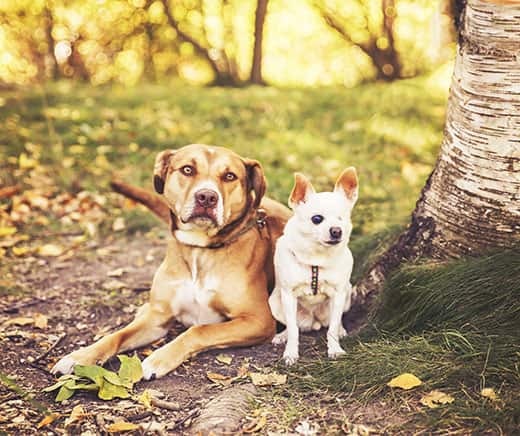
Puppy Socialization in Your Home
Socialization starts in the home. When you first adopt your dog, expect an adjustment period. Your puppy may be nervous being alone if he was used to spending time with other animals and humans. Clear your schedule to spend time with your new dog in the home, but encourage him to play on his own, too. Part of socialization training is fostering independence so your dog doesn't feel anxious when you aren't around.
If you have other pets, be careful to introduce your new dog to them in a safe environment. Never force a relationship between animals. Allow them to sniff each other out — literally and figuratively. Limit their interactions at first, even if they seem to get along well from the get go, and lengthen them over time. This will help your new pup know that he can escape when he is feeling apprehensive, as well as teach him that you're in charge. It also helps ease any stress your other pets might be experiencing with a new puppy in the house.
There are many items in your home that your dog has never experienced before. By facing fears in the home, you're better preparing your dog to socialize out of the home. If your dog appears apprehensive or scared by something, such as the vacuum, turn it off and allow your pup to explore the vacuum while you're not using it. Then, while he's in sight, but not near it, turn it on so your dog can see its function. By addressing fears in a safe manner, your dog won't harbor anxiety about new experiences.
Once your puppy feels comfortable in your home and with your family and pets, invite over friends, extended family, and even their pets! A socialized dog shouldn't be territorial, so invite new faces over at an early age. Only allow behaviors you'd expect from a well-mannered dog when visitors arrive. Don't allow your pet to jump on guests or bark at cars in the driveway. Helping "train" your friends or family to not invite bad habits is also a good idea. For instance, do not allow them to feed him human food so that he won't expect it growing up.