Super Pups
When exploring big dog breeds on the American Kennel Club's (AKC) breed descriptor, one trait you'll notice that comes up for almost all of their top fifteen large breed dogs is "loyal." The Neapolitan mastiff, bullmastiff, Newfoundland, Dogue de Bordeaux, and Great Dane are all extra-large dog breeds that have a strong history of being loyal and devoted to their pet parents. Though most extra large and large dogs are fairly calm, there are a few breeds that will need some extra space to run off their energy. While it seems contrary to their size, large breed dogs can actually fair well in smaller places like apartments, provided they get enough exercise outside the home (and you keep anything breakable outside the wag of their giant tails).
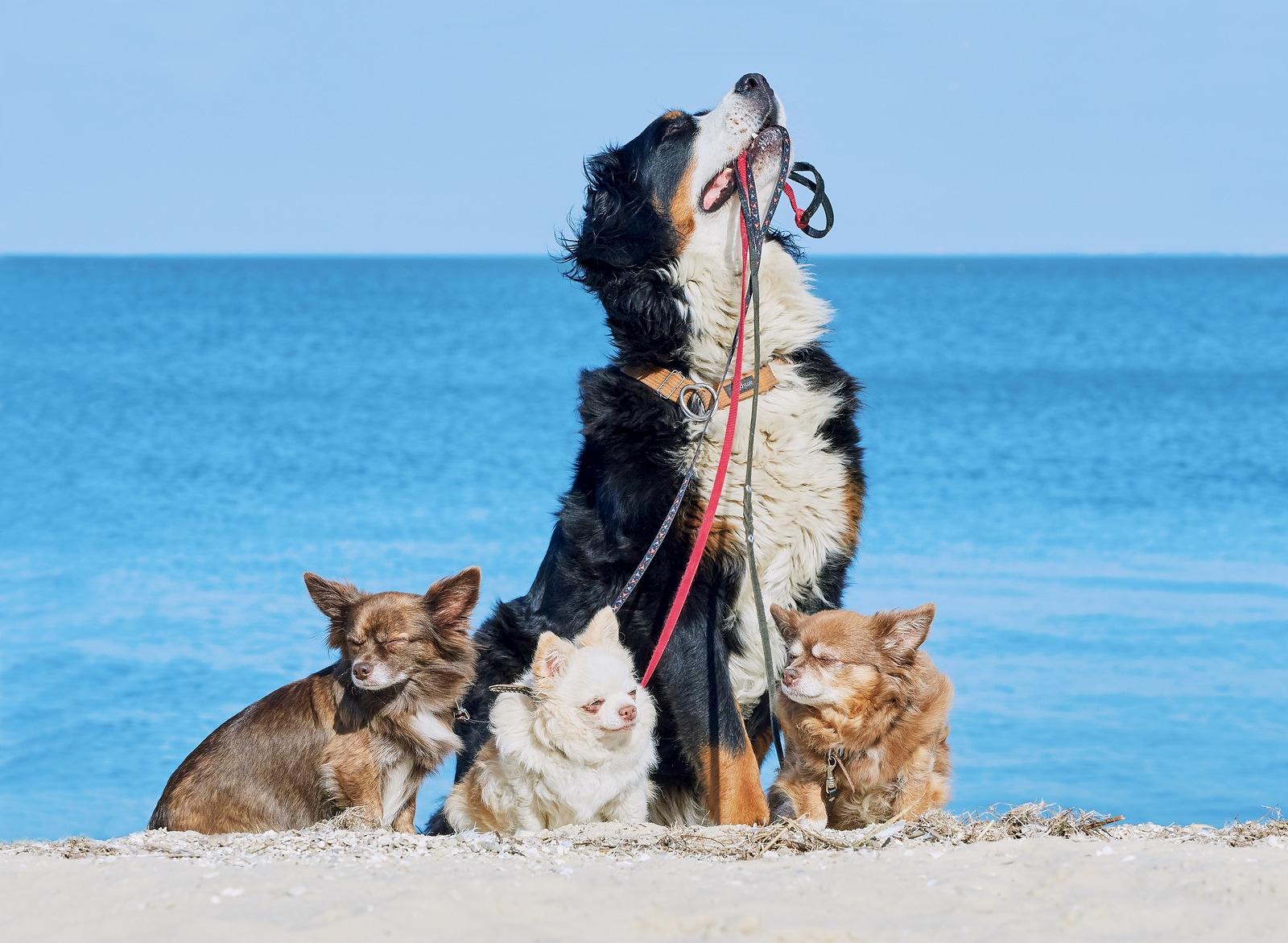
An example of a fairly active large dog is the Bernese mountain dog. Ranging from 90-120 pounds, he comes from the working dog group and loves to be outdoors. If you are active and love to hike, this dog may be the perfect match for you. Keep in mind that most large dogs that fall in the working group will need a fair amount of daily running and exercise; however, the Dogue de Bordeaux is one that might be happier with just a walk. This breed, which the AKC notes was made famous in the movie Turner and Hooch, may be a bit to handle at first, but his loyalty and trainability make him a great fur friend for life. Finally, the Great Pyrenees is a breed that needs daily exercise, but is also happy to nuzzle you on the couch. His calm and affectionate nature along with a soft and fluffy coat make him a favorite among many large dog lovers.
Bigger Dogs, Bigger Costs
It's important to keep in mind that larger dogs will need more food and may cost more for grooming, as well. When making the decision to get a larger dog, be sure you are ready for the extra expenses. Large breed puppies will go through many different collars, beds and leashes until they hit their full size. Some larger breeds are also more susceptible to hip and joint issues as they age, and you should talk with your vet about conditions that your puppy might be more likely to develop. In order to keep costs from getting out of hand, follow your vet's recommendations for the best large breed dog food, feeding schedule and exercise routine. The best big dog breeds are healthy ones, and in order to keep them healthy, you need to know their needs ahead of time and be proactive about giving them the best possible care. Also, keep in mind that larger dogs tend to age faster than their younger companions. They tend to reach senior level status sooner, and generally have a shorter lifespan.
One other thing to note about bigger dog breeds is that they have access to a lot more things around the home. Generally speaking, keeping any type of food on a table or countertop is just a snack waiting to happen for them. Also, if you plan on allowing them on furniture, be prepared to have your very own lap dog because they're likely to take up the entire sofa. Because of their size and reach, training is crucial to maintaining a civilized home — don't fret, these dogs are often gentle giants and very capable of learning.
If you don't have a specific breed in mind, also remember that there are hundreds of big dogs in shelters that could use a giant-sized forever home. With so many large and extra-large breeds to choose from, there is surely one out there that would love to take a huge place in your heart.