
If you're the proud pet parent of a new cat, the question of how to litter train a kitten is probably foremost on your mind. It might relieve you to know that litter box training is typically a fairly simple affair. Many kittens arrive in their new homes having already learned how to use a litter box from their mothers, and even those who haven't are helped along by a strong instinct to bury the evidence after doing the deed. However, if your new kitty needs some pointers, the following steps should help.
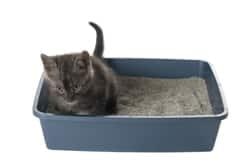
Supplies You'll Need
To start your kitty off right on the path to developing good bathroom habits, you'll need a few supplies:
- Litter boxes: It's a good idea to have one more litter box than the number of cats who will be using them, so if this is your first cat, you'll want to start with two. Place them in areas that are easy to get to while offering privacy. If they're too exposed, your kitty might not feel safe enough to use them.
- Kitty litter: You'll find a lot of options, ranging from inexpensive non-clumping clay litter to high-end, eco-friendly options made from materials such as pine pellets, recycled newspaper and even wheat. While many cats aren't very picky about what type of litter you use, some cats are very particular and won't use litter if they object to the texture or smell. Your best bet is to start with a standard, unscented clumping litter, and then if you want to use something else you can experiment once your kitty's fully litter trained.
- Treats and toys: When you see your furry bundle of joy using her box, reward her with a cat treat or a piece of her dry cat food. You can also use toys and praise to help create positive associations with using the litter box. Eventually, you'll need to wean her off of expecting a food-related treat every time she uses the box.
How to Litter Train a Kitten
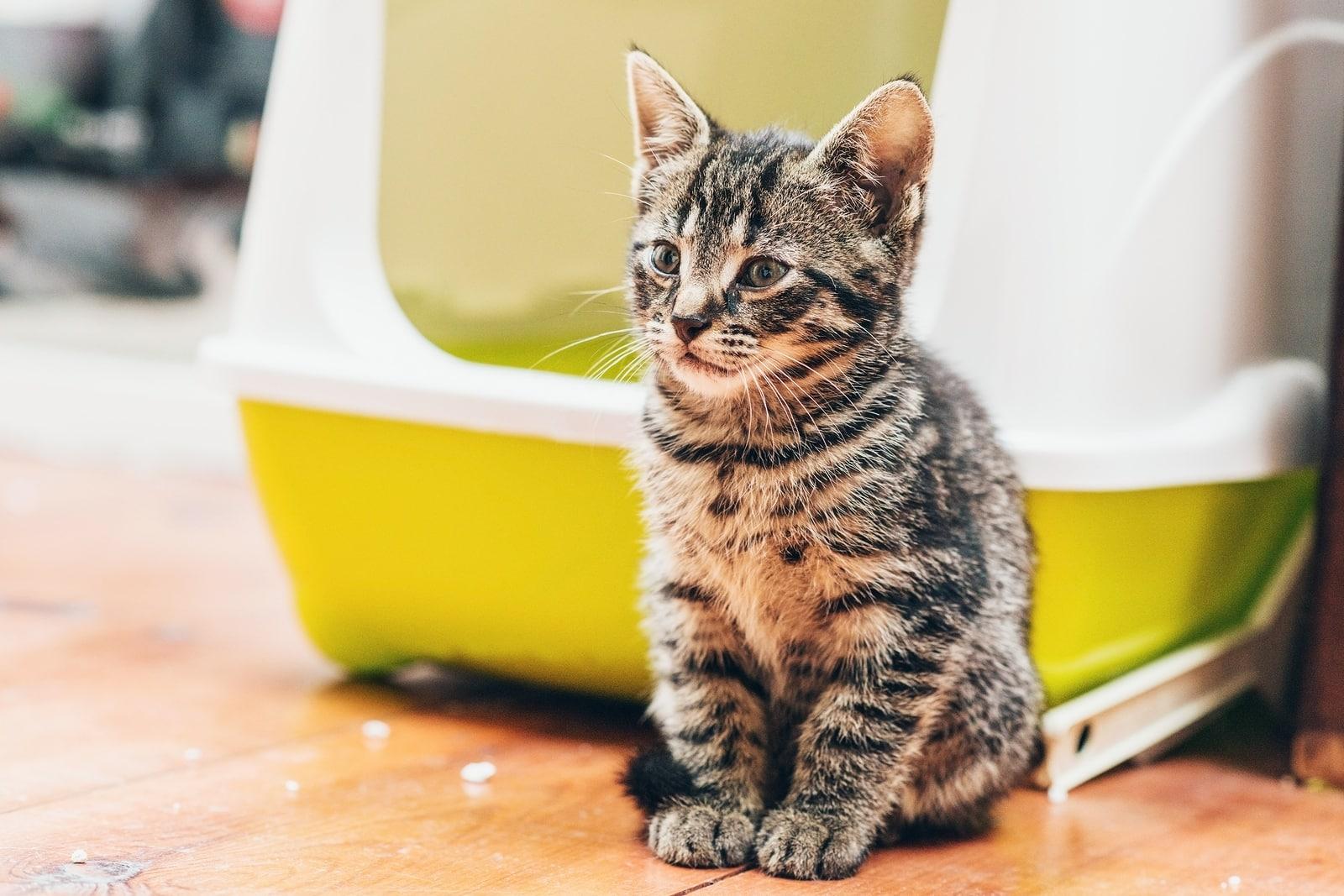 Follow these steps for how to litter train a kitten:
- Show her the boxes as soon as she arrives by setting her in them and letting her sniff and examine them. Be sure not to move the boxes once you've shown them to her, to avoid confusing her.
- Set your cat in one of the boxes immediately following meals and after she wakes up from naps. If you notice her behaving like she needs to go, which might look like sniffing or crouching in a particular area, pick her up and put her in her litter box.
- Reward her whenever you notice her using it. Praise her and give her a treat or a toy.
- Don't punish or scold her for accidents. Doing so will only lead to stress and anxiety, which may exacerbate the problem and make training more difficult. Cats do not associate punishment with the incident in question, so it doesn't help train her not to do it in the future.